
Why the Australian Insurance Market is Bracing for El Niño’s Return
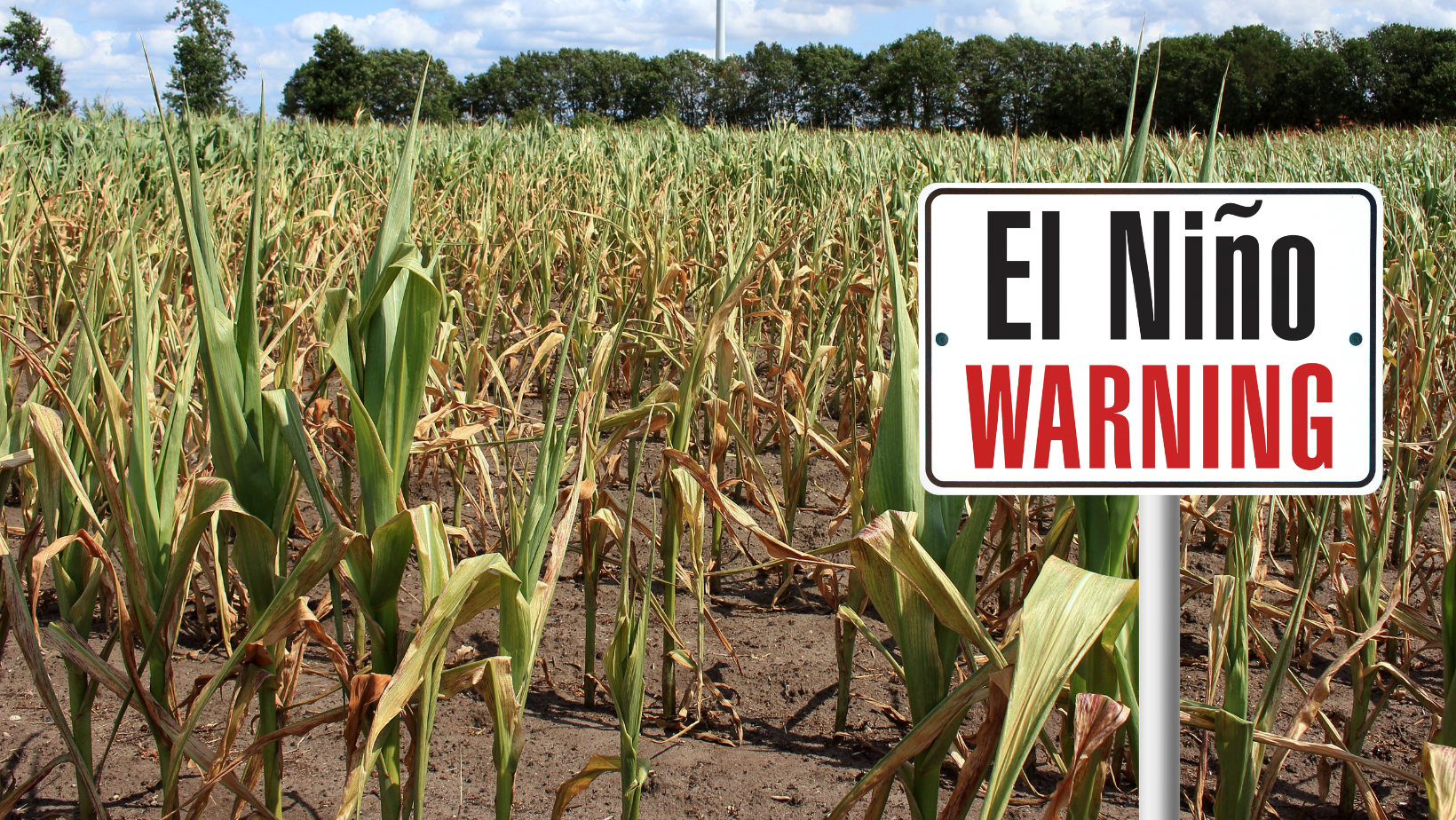
After several years of battling relentless floods and record-breaking rainfall, Australia is facing a familiar but formidable atmospheric foe. Forecasters are sounding the alarm: El Niño is back on the radar for 2026. For the insurance sector and homeowners alike, this shift in climate patterns signals a move from “water worries” to “fire and heat” anxieties.
But this isn’t the El Niño your parents remember. Here is a breakdown of what’s happening, the staggering costs of recent disasters, and why your premiums might be feeling the heat.
A Shift in the Winds: What to Expect
For three years, the La Niña cycle dominated, drenching the East Coast. Now, meteorologists report that the Pacific Ocean is transitioning out of its cooling phase. By mid-to-late 2026, we could see a full redevelopment of El Niño.
Historically, this means:
- Drier Conditions: Significant rainfall reduction, particularly in the eastern and southern states.
- Spiking Temperatures: A higher frequency of extreme heatwaves.
- Bushfire Volatility: Dried-out landscapes create a “tinderbox” effect, elevating the risk of catastrophic fires.
However, experts warn that climate change has “upset the rhythm.” Recent patterns show that even during dry cycles, we can still see localized, intense flooding—making it harder than ever for insurers to predict risks accurately.
The $3.5 Billion Hangover
The insurance industry is still reeling from a brutal 2025. Data from the Insurance Council of Australia (ICA) shows that extreme weather events last year triggered nearly $3.5 billion in insured losses across roughly 264,000 claims.
The biggest culprits?
- Tropical Cyclones: Major events like Ex-Tropical Cyclone Alfred alone cost the industry over $1.5 billion.
- Severe Storms: Two massive spring storm systems in late 2025 contributed another $1.4 billion.
These mounting figures highlight a worrying trend: the “floor” for disaster costs is rising. Even in “quieter” years, the intensity of storms is keeping claim numbers—and costs—historically high.
The Affordability Crisis: A “Climate Hard Place”
For the average Australian, these climate shifts aren’t just statistics; they are hits to the household budget. A recent YouGov poll revealed a sobering reality:
- 54% of Australians fear that extreme weather will eventually make home insurance completely unaffordable.
- 46% say they have already seen their premiums jump due to climate-related risks.
- 1 in 5 homeowners are considering the dangerous move of dropping their insurance altogether because of the cost.
In 2025, many families paid up to $700 more for home and contents insurance than the previous year. It is a blunt reminder that climate pollution is already costing us—as more disasters anywhere drive up costs everywhere.
Protecting Your Future
As we head into the second half of the year, the industry is shifting its focus toward mitigation over repair. For homeowners, this means that proof of bushfire readiness—such as gutter guards and vegetation management—is becoming vital for maintaining coverage.
Don’t wait for the next heatwave to review your coverage. For expert, personalized insurance advice and to ensure your assets are protected against the changing climate, contact ARMA Insurance Brokers.