
Is Your Sum Insured Stuck in 2022? Why Inflation is the Newest Risk to Australian Agribusiness
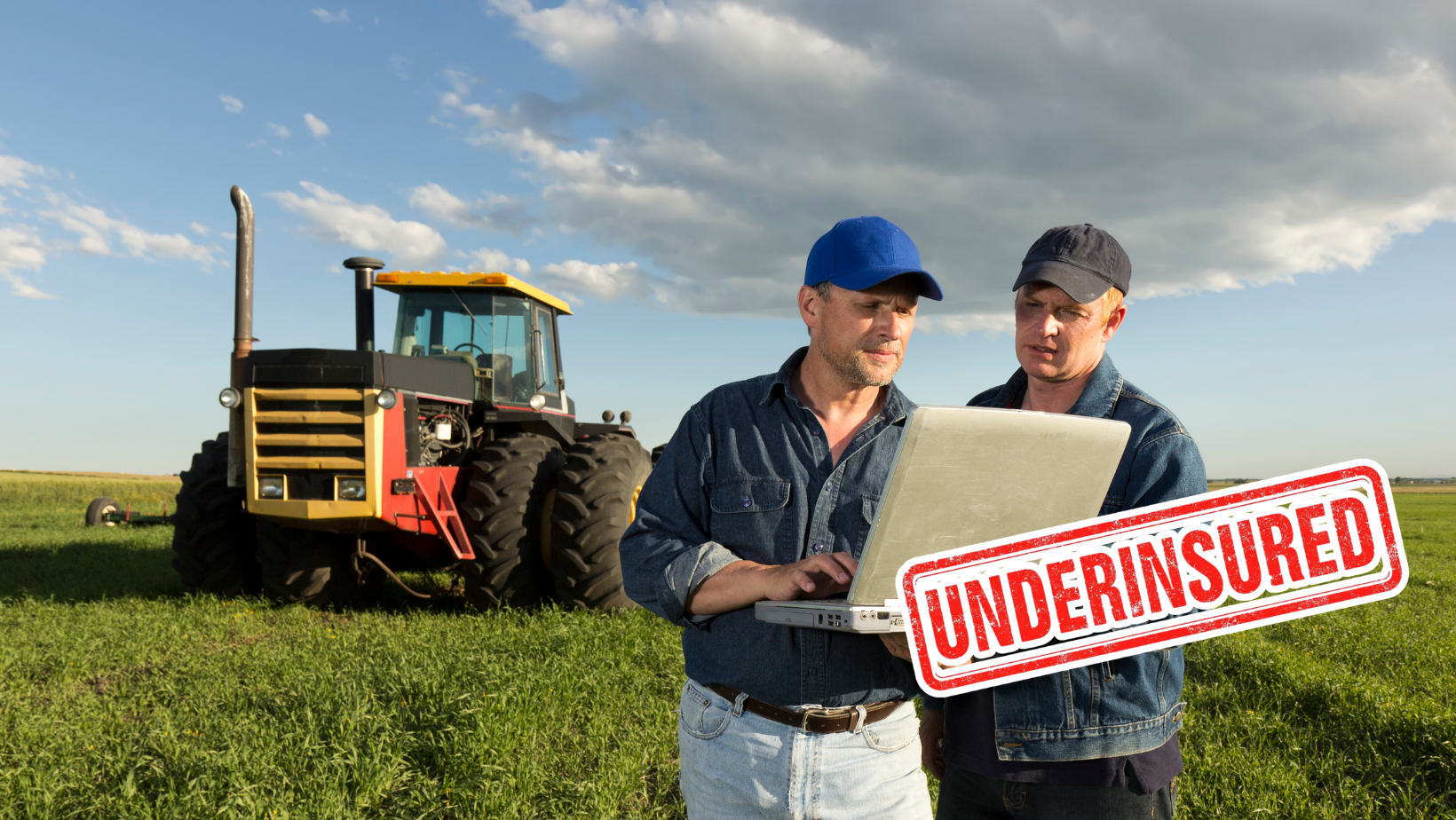
For the average Australian farmer, risk management usually involves checking the Bureau of Meteorology app or monitoring global grain prices. But in 2026, one of the most significant threats to your multi-generational legacy isn’t a drought or a pest—it’s underinsurance.
If you haven’t updated your asset valuations since 2022, you aren’t just behind the times; you are likely carrying a massive financial “gap” that could derail your operations after a single major claim.
The Underinsurance Gap Crisis
The math is simple, but the consequences are brutal. Since the early 2020s, the agricultural sector has faced a perfect storm of supply chain disruptions, labor shortages, and skyrocketing material costs.
While your policy might reflect what a shed or a harvester cost three to five years ago, the current market replacement cost has likely surged by 20% to 40%. This discrepancy is what experts call the Underinsurance Gap.
Why Legacy Policies are Failing
Many growers hold onto legacy policy limits because they’ve been consistent for years. However, the world has changed:
- Surging Construction Costs: The price of structural steel and concrete has fluctuated wildly. Rebuilding a specialized silo or a modern shearing shed today involves significantly higher freight costs and contractor rates than it did in 2022.
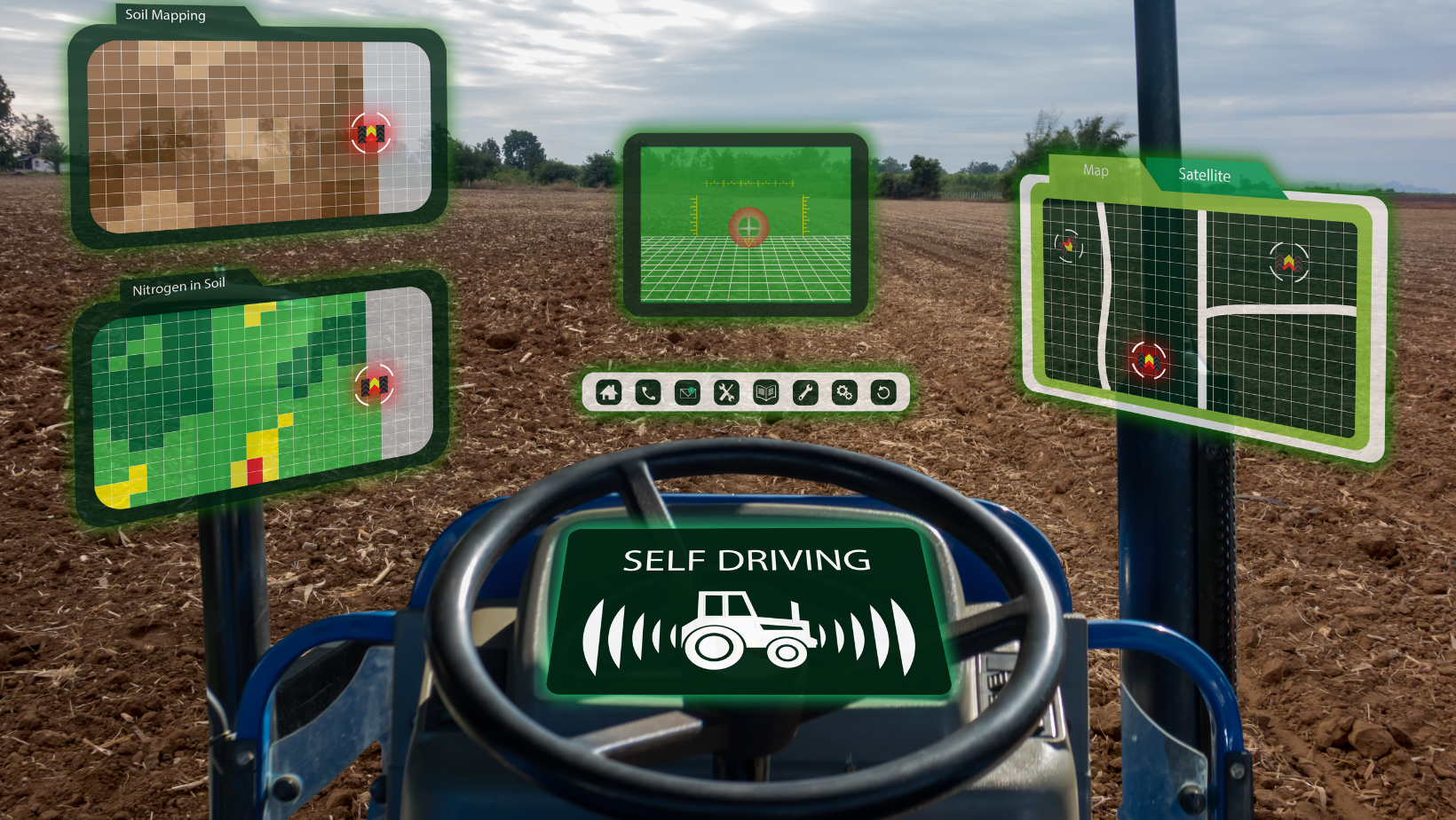
- The Smart Machinery Premium: Machinery isn’t just metal anymore; it’s mobile technology. Replacing a GPS-integrated, autonomous-ready tractor involves costs for specialized software and hardware that didn’t exist in older valuation models.
- The Wait-Time Tax: If a fire wipes out your machinery shed, you don’t just pay for the replacement—you pay for the business interruption. With lead times on specialized parts and machinery stretching months or even years, your insurance needs to cover a much longer recovery period.
The Danger of the Average Clause
Most farmers don’t realize that being underinsured by, say, 30% doesn’t just mean you’re short on a total loss. Because of the Average Clause in many Australian policies, if you are found to be underinsured, the insurer can reduce every claim payment proportionately.
Example: You insure a shed for $500,000, but its true replacement value is $1,000,000 (meaning you are 50% underinsured). If you suffer a partial loss of $100,000, the insurer may only pay out $50,000. You are left to find the other $50,000 out of your own pocket.
How to Close the Gap
Don’t wait for a renewal notice to bridge the divide. Here is how to ensure your agribusiness is actually protected:
- Request a Professional Valuation: Don’t guess. Hire a valuer who understands agricultural infrastructure and the current volatility of regional construction costs.
- Factor in Removal of Debris: Clearing a destroyed site is more expensive than ever. Ensure your policy covers the cost of demolition and waste disposal, which are often separate from the build cost.
- Review Business Interruption (BI): Given current supply chain lags, a 12-month BI indemnity period is often no longer enough. Consider extending this to 24 months to account for shipping and build delays.
The Bottom Line
In the current economic climate, underinsurance is a choice to self-insure a portion of your risk. If your policy limits are still living in 2022, you are betting your farm’s future on prices that no longer exist.
Protecting your legacy requires more than just a policy; it requires a valuation that reflects the reality of 2026.
Secure Your Future Today
Navigating the complexities of market valuations and policy clauses shouldn’t be a DIY project. Ensure your farm is protected against the rising costs of tomorrow by seeking professional guidance.
Contact ARMA Insurance Brokers today for expert insurance advice. Our team specializes in the Australian agribusiness sector and can help you conduct a thorough review to close the gap on your sum insured.